Winter in Central Florida may feel mild, but it drives rodents, cockroaches, ants and other unwanted invaders indoors. Homeowners face higher risks of structural damage, health hazards and persistent infestations when pests seek warmth, moisture and food during cooler nights. This guide explains why pests hibernate in homes, identifies the top winter invaders in Orange, Seminole, Lake, Volusia and Osceola Counties, and offers proven prevention strategies. Sections cover entry-point sealing, sanitation, moisture control and landscape maintenance, plus signs that signal the need for professional intervention from Forest Pest Pros’ experienced technicians. By following these recommendations, readers will understand how to safeguard their property and enhance year-round protection.
Why Do Winter Pests Seek Shelter Indoors in Florida Homes?
Winter pests seek refuge inside homes because interior environments provide stable temperatures, accessible food and reliable moisture. In Central Florida’s October 2025 context, nighttime lows around 60°F prompt mice, roaches and ants to abandon outdoor nests in favor of heated walls and protected crevices. For example, German cockroaches exploit appliance gaps warmed by motor vibrations, while sugar ants follow indoor crumbs into kitchens. This behavior underscores the importance of addressing both structural vulnerabilities and attractant sources before infestations take hold.
German Cockroach Global Spread Fueled by Indoor Heating and Transportation
The spread of the German cockroach was facilitated by the improvement of transportation technologies, especially from colonial trading, and indoor heating in cooler climates. Studies of population genetics have found that once introduced into a new location, the German cockroach spread rapidly through local expansion, and this could be within single (large, multiple-story) buildings.
Global spread of the German cockroach, Blattella germanica, Q Tang, 1965
Common attractants that draw winter pests into homes include:
- Open food sources on counters or in pantry shelves that invite foraging cockroaches and ants.
- Damp areas beneath sinks and around leaky pipes that sustain moisture-loving insects.
- Small foundation cracks or gaps around utility penetrations that allow rodent access.
- Cluttered storage spaces that offer secluded harborage for spiders and bed bugs.
Which Are the Top Winter Pests in Central Florida Homes?
In Central Florida, common winter pests encompass a range of rodents and insects that remain active or opportunistic through mild seasons. These invaders adapt to cooler conditions by exploiting human structures for shelter and sustenance. The following table summarizes each pest’s winter behavior and adaptation strategy:
How Do Rodents Like Mice and Rats Invade Homes During Winter?
Mice and rats invade homes in winter by exploiting holes as small as a dime for entry. Their gnawing behavior and flexible ribs enable them to widen cracks around foundations, vents and utility lines. Once inside, these rodents nest in insulated attics and wall voids, contaminating insulation with droppings and introducing pathogens such as salmonella and hantavirus. Early signs include droppings along baseboards, greasy rub marks near entry points and scratching sounds at night.
Rodent Pests in Florida Homes: Health Hazards and Contamination Risks
Rats and mice are important rodent pests entering Florida homes and warehouses for food and harborage (Figure 1). These rodents eat any kind of food that people eat. They also contaminate 10 times as much food as they eat, with urine, droppings and hair. They can carry at least 10 different kinds of diseases including bubonic plague, murine typhus, spirochetal jaundice, Leptospirosis, rabies, ratbite fever, and bacterial food poisoning.
Rat and mouse control, PG Koehler, 2017
What Makes Cockroaches Persistent Winter Invaders in Florida?
German and American cockroaches persist indoors by reproducing rapidly in heated spaces. They survive on minimal organic matter—food crumbs, soap films and even book bindings—which allows colonies to flourish behind kitchen appliances and under sinks. Warm motorized equipment like refrigerators and dishwashers provides optimal breeding temperatures. Cockroach allergens can trigger asthma and allergies, making swift identification and control critical.
Why Are Ants Active Indoors During Florida Winters?
Ant species such as sugar ants and carpenter ants remain active indoors when external temperatures drop. Sugar ants follow pheromone trails from outdoor colonies to indoor food sources, while carpenter ants tunnel into damp wood around window frames and door thresholds, risking structural damage. Their ability to exploit tiny food residues and moisture means that even brief lapses in sanitation can lead to new indoor colonies.
How Do Spiders Adapt to Florida Winters Indoors?
Spiders adapt to winter by relocating to sheltered indoor niches where prey remains available. House spiders and cellar spiders build webs in undisturbed corners, attics and storage rooms, while venomous brown recluse spiders seek dark folds in furniture and closets. Indicators of infestation include multiple webs in hidden areas and sightings of egg sacs. While most indoor spiders pose little threat, their presence signals an underlying insect population.
Are Termites a Year-Round Threat in Florida Winters?
Subterranean and drywood termites remain active throughout Florida winters by burrowing deeper into soil or staying within heated wood structures. Temperature-regulated tunnels and mud tubes protect subterranean termites from chilly conditions, while drywood termites feed on seasonal wood moisture variations inside furniture and framing. Damage signs include blistered wood surfaces, hollow-sounding timbers and discarded wings near windowsills.
How Do Bed Bugs Become Winter Pests Through Travel?
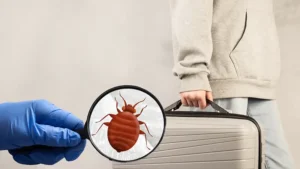
Bed bugs hitch rides on luggage, clothing and furniture during holiday travel, then thrive indoors where human hosts sleep regularly. Cooler nights do not deter Cimex lectularius, as heated bedrooms provide stable environments for feeding. Early detection hinges on identifying small blood stains on sheets, bites in a linear pattern and rust-colored fecal spots on mattress seams.
Do Mosquitoes Remain a Concern in Florida’s Mild Winters?
Yes, mosquitoes persist in Central Florida winters when standing water temperatures remain above 50°F. Species like Aedes aegypti breed in rainwater-filled containers, clogged gutters and neglected plant saucers. Adult mosquitoes may enter homes through open windows or door gaps, posing risks of West Nile virus and other vector-borne diseases. Regular elimination of stagnant water sources curtails indoor mosquito activity.
What Are Effective Winter Pest Prevention Strategies for Florida Homes?
Even with mild winters, proactive measures are essential to keep pests at bay. Prioritizing physical barriers, cleanliness and moisture control reduces attractants and prevents invaders from establishing indoor populations. Implement these core strategies before cooler months arrive.
How Can You Seal Entry Points to Block Winter Pests?
Sealing entry points involves inspecting exterior walls, foundations and roofs for gaps larger than 1/4 inch. Apply silicone-based caulk to cracks around windows and doors, install door sweeps under exterior doors and use mesh screens over vent openings. Pay special attention to utility penetrations and gaps beneath siding.
Why Is Maintaining Sanitation Crucial to Prevent Winter Pests?
Strict sanitation removes food sources that attract pests indoors. Store dry goods in airtight containers, clean under appliances weekly and empty trash cans daily using sealed liners. Avoid leaving pet food bowls overnight and promptly wipe up spills on counters and floors.
How Does Moisture Control Help Reduce Winter Pest Problems?
Moisture control deprives pests of essential water sources. Repair leaky faucets and pipes, install dehumidifiers in damp basements and clean gutters to prevent overflow. Ensure downspouts direct water at least five feet from the foundation to deter subterranean termites and ants.
What Landscape Maintenance Tips Reduce Pest Shelter Near Homes?
Maintaining yards prevents outdoor harborage adjacent to homes. Trim shrubs to keep foliage three feet from exterior walls, remove leaf litter and wood debris, and store firewood at least 20 feet away from the structure. These steps eliminate sheltered corridors that rodents, ants and termites exploit.
When Should Florida Homeowners Call a Professional Winter Pest Control Service?
Homeowners should consider expert intervention when infestations persist despite DIY efforts or when damage and health risks escalate. Professional technicians provide targeted treatments and ongoing monitoring to ensure comprehensive protection.
What Are the Signs of Severe Winter Pest Infestations?
Severe infestations manifest as continuous droppings, extensive mud tubes, large roach casings and visible nesting materials. Structural damage such as chewed wood, sagging drywall and swollen baseboards indicates active termite or ant colonies. Recurring bites or pest sightings despite regular cleaning signal the need for professional assessment.
How Can Professional Pest Control Protect Your Home in Winter?
Qualified pest control providers use integrated methods—inspection, exclusion, treatment and follow-up—to interrupt pest life cycles. Advanced baiting systems for rodents, residual insecticide applications for cockroaches and targeted barriers for termites offer lasting results. Regular service visits maintain defensive perimeters and detect new threats early.
Why Choose Forest Pest Pros for Winter Pest Control in Central Florida?
Forest Pest Pros combines local expertise with experienced technicians trained in the latest treatment protocols. Our comprehensive winter pest control service includes free inspections, customized exclusion plans and quarterly monitoring. Homeowners benefit from proactive prevention, prompt response times and transparent reporting, ensuring confidence that their properties remain pest-free.
What Are the Most Common Questions About Winter Pests in Florida Homes?
Homeowners frequently wonder whether pests truly vanish in winter, how to rodent-proof a house before cooler nights and whether termites remain active during chillier periods. Answering these concerns reinforces understanding of year-round pest dynamics and prevention needs.
Do Pests Go Away During Florida Winters?
No, many common pests remain active indoors throughout mild Florida winters. Subterranean termites continue feeding underground, while rodents, cockroaches and ants exploit human structures for warmth and resources. Ongoing prevention is essential.
How Do I Keep Rodents Out of My Home in Winter?
To prevent rodent entry, seal all foundation cracks, install weather-resistant door sweeps and shield attic vents with metal mesh. Combine these measures with strategic bait stations placed outside primary structures.
Are Termites Active in Florida During Winter?
Yes, termites in Florida remain active year-round. Subterranean species maintain deep soil tunnels for warmth, and drywood termites continue feeding in heated wood elements. Winter monitoring and treatment are critical.
Can Bed Bugs Survive Winter Indoors?
Bed bugs survive indoor winters by entering diapause and feeding opportunistically when hosts are present. Heated bedrooms provide ideal conditions for continued reproduction and infestation without seasonal interruption.
What Attracts Cockroaches to Homes in Winter?
Cockroaches seek warmth, moisture and food in winter. Leaky pipes, kitchen spills and warm appliance motors offer ideal habitats, making sanitation and leak repairs integral to cockroach control.
How Does Seasonal Pest Control in Florida Protect Homes Year-Round?
Seasonal pest control adapts treatment strategies to shifting pest behaviors and environmental conditions, ensuring uninterrupted defense and early detection of emerging threats.
What Are the Benefits of Year-Round Pest Control Services?
Year-round programs deliver continuous barrier protection, routine inspections and real-time adjustments to treatment plans. This proactive approach prevents infestations before they escalate and preserves home integrity over time.
How Does Winter Pest Control Differ From Other Seasons?
Winter pest control emphasizes sealing entry points, moisture management and indoor baiting to counter shelter-seeking behavior. In contrast, summer protocols target outdoor breeding sites, larviciding water bodies and perimeter sprays.
What Pest Control Plans Are Best for Central Florida Homeowners?
Customized quarterly plans that combine exclusion work, targeted indoor treatments and landscape perimeter barriers deliver optimal results in Central Florida. Homeowners benefit from flexible service tiers that address rodents, insects and wood-destroying organisms under one comprehensive agreement.
By understanding common winter pests and implementing these strategies, homeowners in Orange, Seminole, Lake, Volusia and Osceola Counties can maintain a protective shield against invaders year-round. When DIY measures fall short, Forest Pest Pros stands ready with expert inspections, tailored treatments and ongoing support to keep homes safe, comfortable and pest-free.


真免费!价值万元资源,不要一分钱,网址:https://www.53278.xyz/
益群网:终身分红,逆向推荐,不拉下线,也有钱赚!尖端资源,价值百万,一网打尽,瞬间拥有!多重收益,五五倍增,八级提成,后劲无穷!网址:1199.pw