

Have you ever walked into your garage, bathroom, or living room and suddenly noticed dozens of small insects that weren’t there yesterday?
You’re certainly not alone!
Here in Central Florida, homeowners frequently experience sudden increases in what pest professionals call occasional invaders. These are insects and other small arthropods that typically live outdoors but occasionally find their way inside our homes.
The good news? Many of these pests are more of a nuisance than a danger. Understanding why they appear, where they’re coming from, and how to prevent them can make a tremendous difference.
What Are Occasional Invaders?
Unlike German cockroaches or other pests that can establish significant indoor infestations, many occasional invaders originate outside and accidentally enter homes while searching for moisture, shelter, or more favorable environmental conditions.
Some of the most common occasional invaders we encounter in Central Florida include:
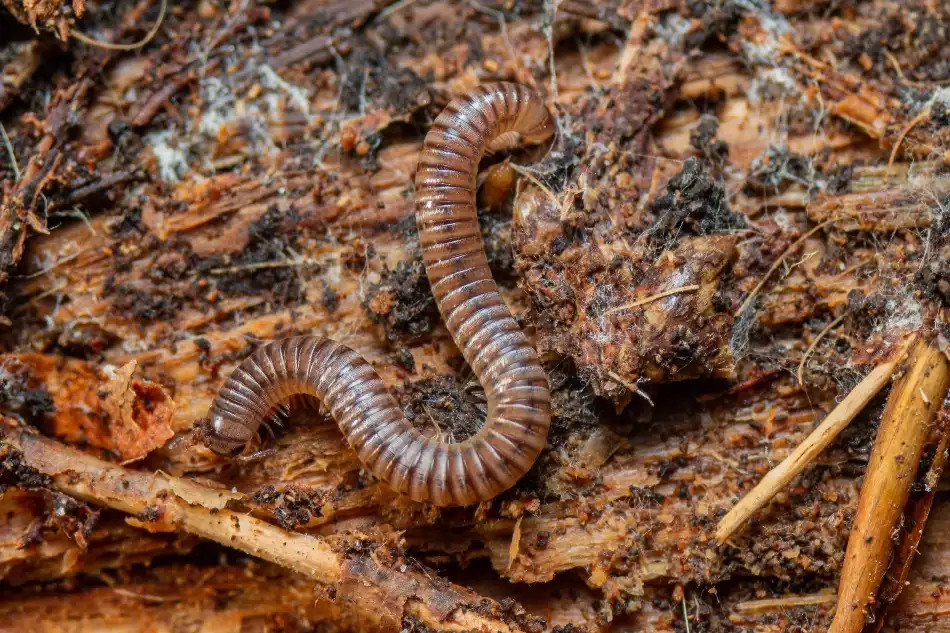
- Millipedes: Small, slow-moving creatures with numerous legs that thrive in damp soil, mulch, and decaying vegetation.
- Earwigs: Easily recognized by the pincers at the end of their bodies. They prefer dark, moist environments.
- Silverfish: Fast-moving, silvery insects commonly associated with humid areas, stored paper, and cardboard.
- Crickets: Outdoor insects that occasionally wander indoors, especially around garages and exterior doors.
- Sowbugs and Pillbugs: Small, segmented creatures that prefer extremely moist environments and often enter through ground-level openings.
Although these pests differ in appearance and behavior, many share something in common: conditions outside your home are often the driving force behind their activity.
Why Do Occasional Invaders Suddenly Appear?
One of the biggest misconceptions about occasional invaders is that a sudden increase means your pest control treatment has stopped working.
That’s not necessarily the case.
Central Florida’s climate creates nearly ideal conditions for many outdoor pests. Several environmental factors can cause their populations or movement to increase.
1. Heavy Rainfall
Extended rainfall can saturate the soil, flooding the places where millipedes, earwigs, and other moisture-loving pests normally live.
As conditions become unfavorable outdoors, these pests may move toward patios, garages, doorways, and foundations.
2. Hot, Dry Weather
Interestingly, the opposite can also happen.
During extended dry periods, certain pests may leave their usual hiding places while searching for moisture.
3. Seasonal Population Increases
Many outdoor pest populations increase during Florida’s warm, humid months.
Millipedes, in particular, can become especially noticeable during the rainy season, often from late spring through early fall.
However, Florida’s changing weather patterns mean occasional invaders can appear at almost any time of year.
4. Landscaping and Moisture Conditions
Thick mulch, excessive irrigation, leaf litter, poor drainage, and vegetation against the foundation can create ideal pest habitats.
When large numbers of pests develop close to a structure, the likelihood of some entering the home naturally increases.
Why Am I Seeing Bugs Even Though I Have Pest Control?
This is one of the most common questions homeowners ask.
Professional pest control is an important part of managing occasional invaders, but understanding how these pests behave is equally important.
Many occasional invaders originate in outdoor environments that cannot be completely controlled. Even when an effective exterior treatment is in place, pests may continue moving toward the structure during periods of high activity.
Some may cross treated areas before the product has had sufficient time to affect them.
Seeing an occasional pest does not automatically mean your pest control program has failed.
Our job is to identify the pest, evaluate why it’s present, and develop the most effective management strategy for your particular property.
What Can Homeowners Do to Help Prevent Occasional Invaders?
Reducing favorable conditions around your home is one of the most effective ways to minimize occasional invaders.
Here are a few recommendations from our Forest Pest Control team:
- Keep mulch and heavy vegetation from accumulating directly against the foundation.
- Remove excessive leaves, grass clippings, and decaying organic debris.
- Correct drainage problems and avoid overwatering landscape beds.
- Make sure gutters and downspouts direct water away from the home.
- Inspect door sweeps, weatherstripping, and openings around utility penetrations.
- Reduce unnecessary exterior lighting or consider lighting that attracts fewer insects.
- Keep garages, storage areas, and other moisture-prone spaces as dry as practical.
These simple steps, combined with a professional pest management program, can significantly reduce the conditions that encourage pest activity.
How Does Forest Pest Control Treat Occasional Invaders?
At Forest Pest Control, we believe successful pest management involves much more than simply spraying around a home.
Our approach focuses on Integrated Pest Management (IPM), which combines pest identification, knowledge of insect biology, environmental recommendations, and strategically targeted treatments.
Depending on the pest and property conditions, our service may include:
- Inspecting the structure and surrounding landscape for potential pest sources
- Identifying moisture conditions and harborage areas
- Removing accessible webs and addressing pest activity around exterior entry points
- Applying appropriate exterior barrier treatments
- Targeting areas where pests hide, breed, or congregate
- Recommending practical changes to help prevent recurring problems
Our goal isn’t simply to address the insects you see today. It’s to help reduce the conditions that allow pest problems to continue.
What Should You Expect After Pest Control Treatment?
Occasional invaders can sometimes remain visible after a professional service, particularly during heavy rainfall or significant seasonal population increases.
Some insects may continue entering from surrounding outdoor environments, and it can take time for treatments and environmental improvements to produce their full effect.
You may also notice dying or dead insects near entry points following treatment.
The important thing is to look for a reduction in activity over time while continuing to address contributing conditions.
If activity remains unusually high, our team can reassess the situation and determine whether additional steps are necessary.
Why Local Pest Control Experience Matters in Central Florida
Central Florida pest control isn’t the same as pest control in other parts of the country.
Our combination of heat, humidity, frequent rainfall, irrigation systems, and year-round insect activity creates unique challenges for homeowners.
At Forest Pest Control, we’re a locally owned, family-operated company with decades of combined pest control experience.
We understand the insects, the environment, and the challenges that come with protecting homes throughout Orlando, Longwood, Lake Mary, Sanford, Winter Park, Oviedo, Kissimmee, and surrounding Central Florida communities.
Most importantly, we believe homeowners deserve straightforward explanations, realistic expectations, and dependable service.
Need Help With Occasional Invaders?
Whether you’re dealing with millipedes around your garage, earwigs in your bathroom, or mysterious insects suddenly appearing throughout your home, our team is here to help.
We’ll work to identify the problem, explain what’s causing it, and recommend an appropriate solution.
Forest Pest Control — The Best in Your Neck of the Woods!
Call 844-3-FOREST (844-336-7378) or visit ForestPestPros.com to learn more about our residential pest control services.