
Living in Central Florida means enjoying the outdoors almost year-round. Unfortunately, our warm temperatures, humidity, frequent rainfall, and abundance of standing water also create ideal conditions for mosquitoes.
If you’re considering professional mosquito control for your home, one of the most important things to understand is what the service can—and cannot—realistically accomplish.
Mosquito Control Is About Reduction, Not Elimination
A professional residential mosquito program should never be presented as a way to completely eliminate mosquitoes from your property.
Mosquitoes fly onto properties from surrounding areas, reproduce in standing water, and are continually affected by weather and environmental conditions. The realistic goal of a recurring mosquito service is to reduce the number of adult mosquitoes around the areas where you and your family spend time outdoors.
When performed correctly and consistently, mosquito treatments can make patios, pool decks, backyards, and other outdoor living areas noticeably more comfortable.
The key word is reduction.
Homeowners may still see mosquitoes between treatments, and seeing an occasional mosquito does not necessarily mean the service isn’t working.
Why Recurring Mosquito Treatments Matter
At Forest Pest Control, our mosquito program is designed around recurring treatments rather than the expectation that a single application will solve the problem.
Many customers notice a decent reduction after their initial treatment. With continued monthly service, they may notice additional improvement as the program progresses.
Results will vary from property to property, however, because mosquito pressure is constantly changing.
Central Florida‘s frequent rain is one reason consistency is so important. Rain can create new mosquito breeding sites in buckets, flowerpots, clogged gutters, low areas of the yard, toys, plant saucers, and countless other places that collect water.
That means mosquito control isn’t something we simply “finish.” It requires ongoing management during periods of mosquito activity.
Your Property and Location Make a Big Difference
Two homes only a few miles apart can experience completely different levels of mosquito activity.
A property near a lake, pond, wetland, wooded area, retention area, or other conducive environment may experience considerably more mosquito pressure than a home surrounded by fewer breeding and resting areas.
Coastal properties can present their own challenges as well.
Even conditions within your yard matter. Dense vegetation, shaded areas, excessive moisture, standing water, and neighboring properties can all contribute to mosquito activity.
This is why comparing your results directly with someone else’s property isn’t always helpful. Mosquito pressure is highly dependent on the surrounding environment.
Central Florida Has Many Different Mosquitoes
Another challenge is that we’re not dealing with just one type of mosquito.
Florida is home to more than 80 mosquito species, and different species have different breeding sites, resting habits, and periods of activity. Some mosquitoes readily rest in vegetation where a professional treatment can target them, while others may behave differently and be more difficult to manage.
Because of those differences, treatment results can vary depending on which mosquito species are creating the pressure around a particular property.
Effective mosquito management therefore isn’t simply about spraying a yard. Understanding the property, conducive conditions, mosquito behavior, weather, and where mosquitoes are likely resting all play a role.
What About All the Rain?
Anyone who has lived through a Central Florida summer knows how quickly the weather can change.
Rain is especially important because standing water provides breeding habitat for mosquitoes. After periods of heavy or frequent rainfall, new mosquito populations can develop even when a property is already on a professional mosquito program.
Homeowners can help by regularly checking their property and removing unnecessary standing water whenever possible.
This combination of professional treatment and homeowner participation gives a mosquito management program its best opportunity for success.
Mosquito Service Isn’t Midge Control
It’s also important to distinguish mosquitoes from midges.
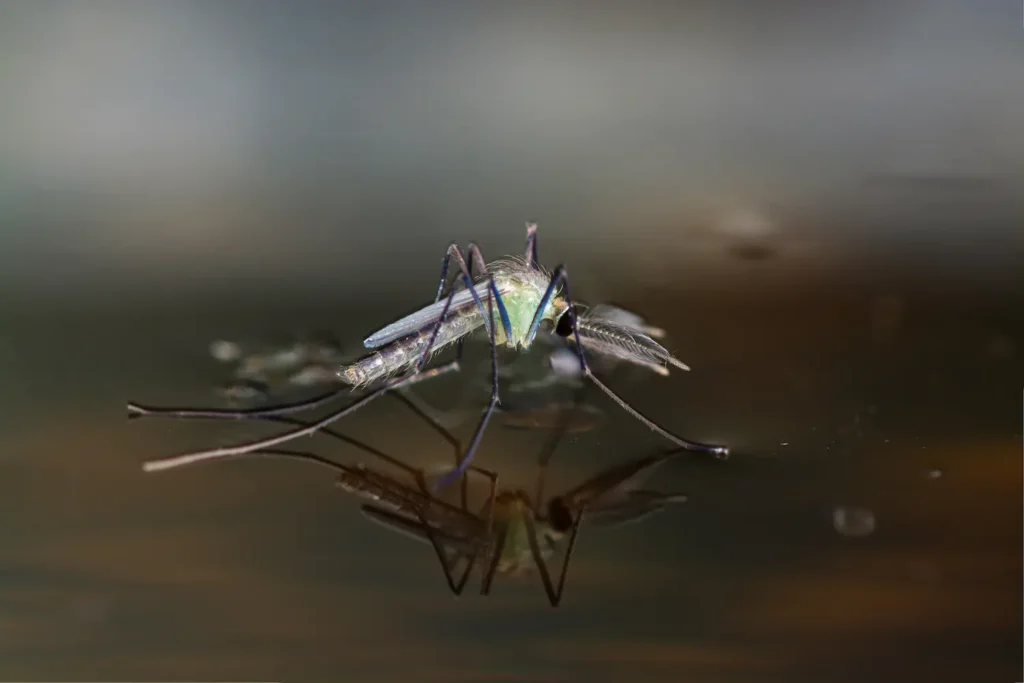
Midges and mosquitoes are different insects, and homeowners sometimes mistake one for the other—particularly around bodies of water. Forest’s mosquito program should not be expected to control a midge problem.
If you’re experiencing large numbers of flying insects and aren’t sure whether you’re dealing with mosquitoes, midges, or another pest, proper identification is an important first step.
Setting the Right Expectations Makes for Better Mosquito Control
Mosquito services sometimes get a bad reputation because expectations aren’t clearly explained.
No responsible mosquito program should lead a Central Florida homeowner to believe that they’ll never see another mosquito.
Instead, the goal should be straightforward: reduce mosquito activity to help make your outdoor spaces more usable and enjoyable.
With Forest Pest Control‘s recurring mosquito service, many customers notice a meaningful reduction in mosquito activity and continued improvement with consistent treatments. But mosquitoes are part of living in Florida, and no treatment creates a permanent barrier around a property.
We believe homeowners deserve to understand that before they purchase the service.
If mosquitoes are making it difficult to enjoy your yard, patio, or pool area, Forest Pest Control can evaluate your property, identify conducive conditions, and explain what you can realistically expect from a recurring mosquito management program in Central Florida. Contact us here.