Comprehensive Pest Identification Guide: How to Recognize Common Household Pests by Their Signs

Early detection of pests can save homeowners and businesses thousands in repairs and protect health from disease vectors. Termites alone cause over $5 billion in damage annually across the U.S., with Florida ranked among the hardest hit states.

Impact of Termite Damage in the United States

Termites cause an estimated $5 billion in property damage annually across the United States, affecting approximately 600,000 homes each year. This substantial financial burden includes costs for control treatments and extensive repairs. Florida is particularly susceptible to termite infestations, with residents spending an estimated $500 million annually on treatment and repair costs.

This research directly supports the article’s opening statement regarding the significant financial damage caused by termites and highlights Florida’s vulnerability, emphasizing the importance of early detection and professional intervention.

This guide empowers readers to spot general infestation signs, identify insect invaders, recognize rodent activity, detect nuisance wildlife, decide when professional help is needed, and implement preventative measures. Throughout, Forest Pest Pros’s local expertise in Central Florida ensures you know exactly when and how to act.

What Are the General Signs of Pest Infestation in Homes and Businesses?

Understanding universal infestation indicators helps homeowners and managers detect problems early.

These signs include visual evidence of activity, unusual noises, distinct odors, and property damage patterns.

What Visual Clues Indicate Pest Activity?

Visual clues such as live sightings, droppings, shed skins, and nests are the most direct evidence of unwanted guests.

Clue Pest Example Description
Sightings Cockroach Flattened bodies scuttling at night near food sources
Droppings Rodent Small cylindrical pellets found along baseboards or inside cabinets
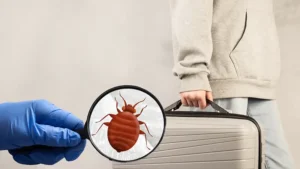
Shed Skins Bed Bug Translucent exoskeletons and cast skins in mattress seams
Nests Ants Soil mounds or carton nests in walls and foundation cracks

Detecting these markers early allows swift action against pests before they spread to adjacent rooms or buildings.

How Can Auditory Signs Help Identify Pest Presence?

Unexplained sounds often accompany hidden infestations. Common auditory indicators include:

  • Scratching in Walls – Rodents gnawing wood or wires create distinct scratch patterns behind walls.
  • Gnawing Noises – Continual chewing inside attics points to mice or rats damaging structures.
  • Buzzing Sounds – Flying insects like wasps or termites produce low buzzing near walls or ceilings.

These noises typically worsen at night, guiding inspections to likely infestation zones.

What Odors Signal a Possible Pest Infestation?

Pests often emit characteristic smells that signal their presence:

  • Musty Smells – Damp, earthy odor from mold-feeding pests like silverfish.
  • Sweet or Sickly Fragrance – Pheromones released by termites in mud tubes.
  • Amphetamine-Like Scent – Mature ant colonies produce faint almond-like aroma near nests.

Recognizing these scents in basements, crawl spaces, or utility rooms suggests targeted pest inspections.

How Does Property Damage Reveal Pest Problems?

Structural and material damage offers critical clues:

  • Chewed wires and outlet covers often indicate rodent activity posing fire hazards.
  • Irregular wood tunnels and hollow-sounding beams signal termite infestation.
  • Frayed fabrics, holes in clothing, and eaten wallpaper point to silverfish or carpet beetles.

Spotting localized damage patterns guides both identification and the choice of corrective measures.

How Do You Identify Common Insect Pests by Their Signs?

What Are the Key Signs of Ant Infestations?

Ant infestations start with foraging trails and nest structures. Look for:

  • Fine lines of busy workers traveling to food sources.
  • Soil or sand mounds near foundation points.
  • Contaminated food packaging and small puncture marks in fruit.

For expert removal and to learn more about ant trail identification, visit Forest Pest Pros’s Ant Extermination Services.

How Can You Recognize Bed Bug Bites and Hiding Spots?

Bed bugs reveal themselves through physical bites and habitat cues:

  • Groups of itchy, red welts in linear patterns on exposed skin.
  • Rust-colored stains and dark fecal spots on sheets and mattresses.
  • Live bugs tucked into mattress seams, box springs, and furniture crevices.

Early detection prevents spread; professional intervention is available via Bed Bug Extermination Services.

What Are the Distinctive Signs of Cockroach Presence?

Cockroaches thrive in warm kitchens and damp basements. Key indicators include:

  • Dark, pepper-like droppings in drawers, cupboards, and near water sources.
  • Oval egg casings tucked into cracks and behind appliances.
  • A lingering musty odor in enclosed areas.

Comprehensive treatments are offered through Cockroach Extermination Services.

How to Detect Flea Infestations on Pets and Humans?

Fleas often hitch rides on pets, causing:

  • Frequent scratching, hair loss, or irritated skin on dogs and cats.
  • Tiny black “flea dirt” specks on pet bedding and carpets.
  • Small, red, clustered bite marks around ankles and waistlines.

Pet owners can access targeted solutions at Flea Exterminator Services.

What Are the Signs of Mosquito Breeding and Bites?

Mosquito activity centers on stagnant water and feeding patterns:

  • Standing water in buckets, birdbaths, and clogged gutters serves as breeding grounds.
  • Raised, itchy welts appearing hours after dusk.
  • Presence of larvae—wiggling “wigglers”—in outdoor water sources.

Protect your property with professional help from Mosquito Exterminator Services.

How to Identify Spider Activity and Web Types?

Spiders create webs to trap prey. Recognize:

  • Irregular tangle webs in corners and behind furniture for cobweb spiders.
  • Orb-shaped webs spanning doorways and trees—often built by garden spiders.
  • Frequent sightings of small insect prey caught in webs.

If spider populations grow, consider Spider Exterminator Services for evaluation.

What Are the Early Signs of Termite Damage?

Termites undermine structures stealthily with:

  • Mud tubes lining foundations and basement walls.
  • Discarded, translucent wings near windowsills and doors.
  • Hollow-sounding wood when tapped, and fine, sawdust-like frass.

Early treatment through Termite Control Services prevents costly repairs.

How Can You Spot Wasp Nests and Recognize Sting Risks?

Social wasps build paper-like nests in sheltered locations:

  • Distinctive umbrella-shaped nests under eaves or inside wall cavities.
  • Ground nests disguised in lawns or flowerbeds.
  • Aggressive behavior and loud buzzing near nest entrances.

Professional removal from Wasp Exterminator Services ensures safe nest elimination.

What Damage Do Silverfish Cause and How to Identify Them?

Silverfish inhabit damp, dark areas and feed on:

  • Starches in paper, book bindings, and wallpaper paste.
  • Natural fabrics like cotton and linen, leaving irregular holes.
  • Cardboard food packaging, especially in basements.

Humidity control and targeted treatments restore protection—learn more via Forest Pest Pros’s consultation.

How Can You Recognize Rodent Infestations by Their Signs?

What Are the Signs of a Mouse Infestation?

Mice are small but destructive. Look for:

  1. Tiny droppings (3–6 mm) scattered along walls and in pantry corners.
  2. Shallow gnaw marks on plastic containers, wood, and drywall.
  3. Nests of shredded paper or fabric hidden behind appliances.

When these signs appear, professional assistance from Rodent Exterminator Services ensures complete removal.

How to Identify Rat Activity and Property Damage?

Larger rodents leave more obvious markers:

  • Droppings measuring up to 20 mm found in dark corners or attics.
  • Thicker gnaw marks on wiring, baseboards, and stored items.
  • Nocturnal scurrying and squeaking sounds above ceilings or in crawl spaces.

A comprehensive rodent exclusion plan by Forest Pest Pros keeps your property secure.

What Are the Signs of Nuisance Wildlife Intrusions in Central Florida Homes?

How to Detect Raccoons, Opossums, Bats, and Squirrels?

Common wildlife indicators include:

  • Raccoons: Torn trash cans, footprint tracks in mud, and loud thumping in attics.
  • Opossums: Scattered pet food and irregular fibrous nests in crawl spaces.
  • Bats: High-pitched squeaking at dusk, droppings (guano) under roost sites.
  • Squirrels: Chewed vents, shredded insulation bundles, and scratching noises within walls.

For humane removal and exclusion, rely on Wildlife Removal Services.

When Should Homeowners and Businesses Call a Professional Pest Control Service?

What Are the Limitations of DIY Pest Identification and Control?

Non-experts often misidentify signs, leading to:

  • Wasted time and ineffective treatments.
  • Escalation of infestations and secondary damage.
  • Exposure to unsafe chemicals or incomplete eradication.

Professional technicians deliver precise identification and tailored solutions.

What Pest Signs Indicate the Need for Expert Extermination?

Immediate expert intervention is warranted when:

  • Infestations cover multiple rooms or structures.
  • Structural damage or electrical hazards appear.
  • Health risks—such as allergic reactions or disease vectors—are evident.

In these scenarios, prompt action prevents catastrophic expenses.

How Does Forest Pest Pros Provide Effective Pest Control in Central Florida?

Leveraging local expertise, Forest Pest Pros offers:

  • Comprehensive inspections across Orange, Seminole, Lake, Volusia, and Osceola Counties.
  • Integrated treatment plans using eco-friendly methods.
  • Guaranteed follow-up visits to ensure long-term protection.

Learn how to choose a reputable partner in pest management with our guide on Choosing the Right Pest Control Company.

What Preventative Measures Help Keep Your Home Pest-Free?

How to Seal Entry Points and Reduce Pest Access?

Effective exclusion tips include:

  1. Caulk gaps around windows, doors, and utility lines.
  2. Install door sweeps and mesh screens on vents.
  3. Repair damaged siding, roof eaves, and foundation cracks.

Addressing these openings stops pests from gaining a foothold.

What Cleaning and Food Storage Practices Deter Pests?

Sanitation and proper storage minimize attractants:

  • Store dry goods in sealed, rodent-proof containers.
  • Dispose of trash daily and keep lids tightly closed.
  • Eliminate standing water and clean spills promptly.

Maintaining cleanliness interrupts pest food and water sources.

How Does Regular Inspection Help Early Pest Detection?

Routine walk-throughs reveal problems before they escalate:

  • Inspect basements, attics, and crawl spaces seasonally.
  • Check hidden voids behind appliances and furniture.
  • Monitor high-risk areas after storms or renovations.

Proactive monitoring lengthens intervals between treatments and preserves peace of mind.

Pest vigilance protects health, property, and budgets—expert pest control support ensures every sign gets the right response.

Residential and commercial properties face ever-evolving pest challenges in Central Florida, but recognizing early signs empowers timely action. By understanding visual, auditory, olfactory, and damage indicators, you can distinguish between insects, rodents, and wildlife intrusions before they escalate. When infestations exceed DIY limits or pose health hazards, Forest Pest Pros delivers targeted, professional solutions with local know-how. Consistent prevention—sealing entry points, maintaining sanitation, and scheduling inspections—secures a pest-free environment year-round.

Leave a Reply