Safe pest prevention focuses on preventing infestations using methods that protect people, pets, and the environment while maintaining healthy properties. Integrated Pest Management (IPM) sits at the center of this approach: IPM emphasizes inspection, identification, targeted treatments, monitoring, and non-chemical controls to reduce pesticide use and exposure. In Central Florida’s warm, humid climate, pest pressure is year-round and specific conditions—standing water, dense landscaping, and mild winters—make proactive prevention essential for homeowners and business owners alike. This guide explains why safe pest prevention matters, walks through proven exclusion and sanitation strategies, evaluates natural and eco-friendly repellents, and provides pest-specific tactics for mosquitoes, ants, cockroaches, bed bugs, and rodents. You will also learn how professional IPM supports families, pets, and commercial hygiene goals, how businesses can align pest prevention with commercial cleaning services, and how to monitor prevention over time. Read on for checklists, quick-reference EAV comparison tables, and practical steps that prioritize child-safe and pet-safe practices while preparing you to decide when to call a professional.

What Are the Safest and Most Effective Pest Prevention Methods?

The safest and most effective pest prevention methods prioritize inspection, habitat modification, exclusion, sanitation, and targeted, low-toxicity treatments applied only when necessary. IPM functions by inspecting and identifying pest problems, minimizing conducive conditions, using exclusion and sanitation to remove attractants, and employing the least-risk treatments combined with monitoring to prevent recurrence. These methods reduce human and pet exposure to pesticides while delivering durable pest suppression when properly implemented. Below is a concise list of top methods followed by an EAV table that compares approaches by safety and effectiveness so homeowners can quickly weigh trade-offs. Understanding these methods sets the stage for practical home proofing and natural repellents discussed in the next section.

Safe pest prevention emphasizes these core approaches:

  1. Inspection and identification to target interventions precisely and avoid unnecessary treatments.
  2. Exclusion and sealing of entry points to physically block pest access into structures.
  3. Sanitation and habitat modification to remove food, moisture, and harborage that attract pests.
  4. Use of eco-friendly repellents and low-toxicity, targeted treatments when non-chemical measures are insufficient.
  5. Monitoring and follow-up to verify effectiveness and adapt strategies over time.

These practices form a layered defense that reduces reliance on broad-spectrum pesticides and supports long-term property protection, which leads naturally into practical sealing and landscape strategies described next.

Introduction to prevention approaches and trade-offs:

Approach Key Element Primary Benefit / Risk
Integrated Pest Management (IPM) Inspection, targeted treatment, monitoring High safety and long-term effectiveness; minimizes chemical use and exposure
Exclusion (Sealing) Physical barriers: sealants, door sweeps, screens Immediate reduction in entry points; low risk, durable when done correctly
Sanitation & Habitat Modification Food storage, moisture control, landscaping adjustments Reduces attractants and reproduction; requires ongoing maintenance
Natural/Eco-Friendly Repellents Essential oils, repellent plants, diatomaceous earth Low human toxicity but variable effectiveness; best for low-pressure situations
Targeted Professional Treatments Baits, localized applications, barrier treatments Highly effective for outbreaks; risk depends on product choice and application method

This comparison clarifies why IPM is recommended as the starting point for safe pest prevention and how exclusion and sanitation complement targeted treatments to minimize both risk and recurrence.

How Does Integrated Pest Management Ensure Safe and Sustainable Pest Control?

Integrated Pest Management (IPM) is a decision-making framework that reduces pest damage while minimizing risks to people, pets, and the environment. IPM works by inspecting properties to identify pest species and their life stages, understanding the conditions that support them, and choosing interventions that emphasize non-chemical controls first, such as exclusion and sanitation. When treatments are needed, IPM selects targeted, lower-toxicity products, applies them in focused spots, and monitors results to avoid blanket spraying. This cycle—inspect, identify, act, monitor—reduces unnecessary chemical exposure and promotes sustainable suppression over time. Applying IPM in Central Florida often means prioritizing standing-water elimination after heavy rains and intensifying monitoring during warm months; the next section shows how exclusion and sanitation translate into hands-on home-proofing steps.

What Are the Benefits of Using Eco-Friendly and Natural Pest Control Solutions?

Eco-friendly and natural pest control solutions lower human and pet chemical exposure and can protect beneficial organisms such as pollinators while reducing runoff into waterways. These approaches—like mechanical traps, biological controls, plant-based repellents, and targeted use of food-grade diatomaceous earth—often have favorable safety profiles when applied appropriately and can be effective for low to moderate pest pressure. Limitations include variable efficacy under heavy infestations and environmental factors such as humidity that reduce performance of desiccants; professionals using IPM can advise when eco-friendly options suffice and when escalation is needed. Choosing natural measures also calls for attention to product quality, correct application, and pet-safety precautions to avoid accidental ingestion or misuse. Understanding when to combine eco-friendly tactics with professional targeted treatments ensures safe, effective outcomes, and the next section outlines specific exclusion techniques to block pest entry.

How Can You Pest-Proof Your Home Using Proven Exclusion and Proofing Techniques?

Pest-proofing a home starts with a systematic inspection to identify common entry points and structural vulnerabilities, followed by targeted sealing and repairs that block access and reduce harborage. Effective exclusion relies on durable materials—silicone or polyurethane caulks for small gaps, expanding foam and copper mesh for larger voids, metal screening for vents, and door sweeps for thresholds—applied to foundations, utility penetrations, windows, and eaves. Combining exclusion with sanitation (removing stored clutter, fixing leaks, and organizing food storage) multiplies effectiveness and reduces the need for chemical control. A stepwise sealing plan helps homeowners prioritize high-risk areas and coordinate any professional exclusion services when structural repairs exceed DIY scope. After exclusion, landscape adjustments and moisture control further reduce pest pressure, which is described in the H3 subsection below.

Practical, prioritized pest-proofing steps:

  1. Inspect the exterior perimeter and identify gaps greater than 1/8 inch, focusing on plumbing, vents, and foundation seams.
  2. Use durable sealants and metal mesh to close gaps, install door sweeps on all exterior doors, and repair torn window screens.
  3. Maintain a 12–18 inch vegetation-free buffer around foundations and relocate mulch and plantings away from direct contact with siding.

What Are the Best Ways to Seal Entry Points and Cracks to Prevent Pest Intrusion?

Sealing entry points effectively requires selecting the right material for the gap size and movement characteristics, and prioritizing areas where pests commonly infiltrate. For hairline cracks and small gaps around window frames and trim, use a high-quality exterior caulk; larger voids around pipes are best filled with expanding foam backed by copper mesh or steel wool to deter rodents. Install metal or stainless-steel vent screens over foundation and roof vents, and apply door sweeps to close the gap under exterior doors; check attic and crawlspace penetrations, where utility lines enter, and seal with pest-resistant materials. Inspect for hidden gaps behind cabinets and under sinks, and address moisture-driven damage that can create new entry points; these sealing efforts should be coordinated with sanitation and monitoring, which leads naturally into landscape strategies to reduce pest harborage.

How Does Landscape Management Help Deter Common Florida Pests?

Landscape management reduces pest harborage by altering the environment that pests use for shelter, food, and breeding, and it complements exclusion by removing exterior attractants. In Central Florida, keep shrubs and tree limbs trimmed away from roofs and siding to prevent ant and rodent access, maintain mulch depth at 2 inches or less and keep it several inches from foundation walls to limit moisture and hiding places, and design irrigation systems to avoid perennial wet spots that favor mosquitoes and cockroaches. Choose pest-deterring plants strategically and create gravel or hardscape perimeter buffers where possible to reduce habitat continuity from yard to structure. Regular landscape maintenance such as pruning, debris removal, and seasonal inspections reduces pest pressure and supports long-term prevention, setting the stage for specific natural repellents described in the next H2.

Which Natural and Eco-Friendly Pest Repellents Work Best for Central Florida Homes?

Natural and eco-friendly repellents for Central Florida combine plant-based deterrents, essential oils, and physical desiccants to reduce contact with pests when used properly. These options include repellent plants and oils that discourage mosquitoes and some nuisance insects, mechanical traps for rodents and insects, and food-grade diatomaceous earth for dry-area insect control; each has specific application contexts and limitations in humid climates. The effectiveness of these tools depends on correct selection, frequency of reapplication, formulation quality, and integration with exclusion and sanitation measures. Using these options as part of an IPM plan can decrease reliance on conventional pesticides, but homeowners should recognize when professional intervention is necessary for persistent or high-risk infestations. The subsections below explain safe applications of essential oils and diatomaceous earth with attention to pet and child safety.

This list summarizes commonly used eco-friendly options and application notes:

  • Citronella, peppermint, and eucalyptus essential oil blends as topical or spatial repellents for short-term outdoor use.
  • Repellent plants such as marigolds and lemongrass placed strategically to discourage pests near entryways.
  • Food-grade diatomaceous earth applied to dry, undisturbed cracks and voids to desiccate crawling insects.

These options perform best when paired with habitat reduction and exclusion; next we describe safe dilution, application practices, and limitations for essential oils.

How Can Essential Oils and Plant-Based Solutions Repel Pests Safely?

Essential oils and plant-based repellents deter certain pests through volatile compounds that disrupt insect host-seeking or feeding behavior, but they require correct dilution and placement for safe, effective use. For topical or spray applications, dilute concentrated oils following manufacturer guidance—commonly 1-3% oil in carrier solution for surfaces—and avoid direct application on pets, food preparation surfaces, or areas where children play; patch-test materials on small surfaces and monitor for reactions. For outdoor spatial repellency, use EPA-registered citronella candles or professionally formulated botanical products rather than undiluted essential oils, and rotate plantings of repellent species near doors and patios to maintain deterrence. Plant-based repellents offer lower toxicity to humans and pollinators when used responsibly, yet their duration is shorter than synthetic alternatives and they are best used as part of an integrated approach when pest pressure is moderate. Understanding these limitations clarifies when diatomaceous earth or professional measures are the safer long-term choice.

The use of botanical extracts and essential oils as eco-friendly alternatives to synthetic pesticides is a growing area of research and application in pest management.

Eco-Friendly Botanical Extracts for Insect Pest and Disease Management

Insect pests and plant diseases are major constraints to global crop production, causing severe yield losses, economic costs, and environmental degradation. Conventional reliance on synthetic pesticides has generated resistance in pests and pathogens, contamination of ecosystems, and health risks to humans and beneficial organisms. Botanical extracts, derived from plants rich in bioactive compounds such as azadirachtin, pyrethrins, and essential oils, provide promising eco-friendly alternatives.

Eco-Friendly Management of Insect Pests and Plant Diseases Using Botanical Extracts, A Jan, 2025

What Role Does Diatomaceous Earth Play in Safe Pest Prevention?

Diatomaceous earth (DE) kills crawling insects by abrading their exoskeletons and causing desiccation, making food-grade DE a useful, low-toxicity tool for targeted dry-area applications. Use only food-grade DE for residential pest management, apply it thinly in cracks, under baseboards, and in dry voids where it will not be washed away, and avoid airborne dust by applying granules with a duster or placing DE inside sealed cards or containers for pet safety. DE performs poorly in humid or wet environments because moisture clumps the particles and reduces effectiveness, which is a particular consideration in Central Florida’s humid climate; combine DE with moisture control and exclusion for best results. Keep DE out of reach of children and avoid inhalation by wearing a mask during application; when DE and natural repellents are insufficient for control, a professionally planned IPM treatment delivers safer outcomes for severe infestations.

What Are Safe Pest Prevention Strategies for Common Central Florida Pests?

Safe prevention strategies differ by pest biology, habitat preferences, and seasonal patterns; matching tactics to each pest’s attractants improves results while minimizing chemical use. Central Florida’s common pests—mosquitoes, ants, cockroaches, bed bugs, and rodents—respond best to combined measures: source reduction (remove breeding and food sources), exclusion (seal entrances), sanitation (food and waste control), and targeted treatments appropriate to the pest. The following EAV quick-reference table maps each pest to its primary attractants and high-impact safe prevention tactics so homeowners and businesses can prioritize actions. After the table, H3 subsections provide tactical guidance for mosquitoes, ants/cockroaches, and bed bugs/rodents with actionable checklists and escalation points.

Pest Primary Attractants / Habitat Safe Prevention Tactics
Mosquitoes Standing water, birdbaths, clogged gutters Eliminate water, maintain pools, use barrier treatments and larval control
Ants Food residues, honeydew on plants, moisture Sanitation, proper food storage, targeted bait stations, seal entry points
Cockroaches Food debris, moisture, cluttered storage Deep cleaning, leak repair, gel baits in protected areas, glue traps
Bed Bugs Human sleeping areas, luggage, used furniture Inspection after travel, mattress encasements, heat treatments by pros
Rodents Food/garbage access, structural gaps, clutter Rodent-proofing, rodent-proof storage, mechanical trapping, exclusion

This table helps prioritize prevention activities by identifying attractants to remove and non-chemical tactics to apply, leading into focused mosquito prevention strategies described next.

How Can You Prevent Mosquitoes Safely by Eliminating Standing Water and Using Barrier Treatments?

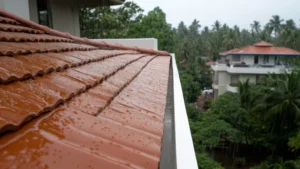
Mosquito prevention hinges on eliminating breeding sites and reducing adult populations through targeted measures that minimize environmental impact. Routinely inspect your property for standing water after rains—empty planters, clean gutters, change pet water daily, and tip or treat small containers with larvicide or biological controls where drainage cannot be fixed. For adult mosquito control, professional barrier treatments applied around yard perimeters reduce biting pressure when combined with source reduction; these treatments, when used under an IPM plan, focus on targeted applications and monitoring to limit chemical exposure. Use personal repellents, screens on windows/doors, and outdoor fans on patios to reduce human-mosquito contact without broad spraying. Implementing these layered responses lowers vector disease risk and complements broader property prevention measures discussed in the ant and cockroach section.

What Are Effective Ant and Cockroach Prevention Tips for Homes and Businesses?

Ants and cockroaches are drawn to food, moisture, and shelter; prevention focuses on sanitation, moisture control, exclusion, and targeted baiting to interrupt colony resources. Maintain daily sanitation in food prep and storage areas, store food in sealed containers, empty indoor trash receptacles frequently, and repair leaks or condensation issues that attract moisture-loving roaches. Seal entry points where ants trail inside using non-toxic baits in protected stations for ant colonies and gel baits for cockroaches placed in cracks and voids inaccessible to children and pets. For businesses, implement standardized cleaning schedules and sealed waste protocols to reduce attractants and support compliance with health requirements; consistent sanitation directly reduces pest pressure and makes exclusion and baiting more effective.

How Do You Protect Against Bed Bugs and Rodents Using Safe Methods?

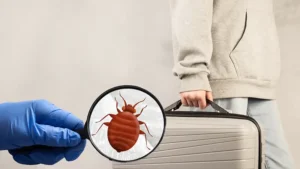
Bed bug and rodent prevention starts with early detection, exclusion, and behavioral safeguards to limit introductions and access, followed by professional interventions when infestations are detected. Prevent bed bugs by inspecting luggage after travel, avoiding placing bags on beds, using mattress and box-spring encasements, and examining secondhand furniture carefully before bringing it indoors. For rodents, eliminate food sources by using rodent-proof containers, secure garbage, and seal gaps greater than 1/4 inch around foundations and utility penetrations; use mechanical trapping and exclusion rather than wide-area poisons to protect pets and non-target wildlife. When signs indicate established infestations—multiple live bed bugs, recurring rodent droppings, or gnawed materials—consult a professional for targeted IPM services that combine monitoring, exclusion, and focused treatments to safely resolve the problem.

How Does Professional Integrated Pest Management Benefit Families, Pets, and Businesses?

Professional Integrated Pest Management delivers tailored strategies that prioritize safety, long-term effectiveness, and minimized pesticide use through inspection-driven plans and ongoing monitoring. A trained IPM provider conducts species-specific identification, assesses structural and landscape vulnerabilities, and sequences non-chemical controls first—such as exclusion, sanitation recommendations, and targeted mechanical measures—before applying low-risk, focused treatments only where needed. For families and pets, professional IPM reduces unnecessary exposure by choosing the least-toxic options, advising on preparatory steps before treatments, and scheduling applications to minimize occupant contact. For businesses, professional IPM supports regulatory compliance, protects food safety, and integrates with routine cleaning protocols to sustain hygienic environments. The next subsection outlines pet- and child-safe options available under professional IPM and then introduces how Forest Pest Control implements these approaches locally.

What Pet-Safe and Child-Safe Pest Control Solutions Are Available?

Pet-safe and child-safe solutions emphasize physical controls, behavioral changes, and product selection that limit exposure risks while maintaining control effectiveness. Non-chemical barriers and exclusion tools—such as screens, door sweeps, and sealing—create long-term protection without toxic exposure, while targeted baits in tamper-resistant stations limit contact with non-targets; professionals often place bait stations in inaccessible locations and provide clear post-treatment instructions. For surface or perimeter treatments, technicians select lower-toxicity formulations, apply them to restricted zones, and schedule services when occupants can temporarily avoid treated areas per instructions, reducing contact. Monitoring devices and integrated follow-up allow adjustments that avoid repeated broad applications, and professionals can recommend safe, evidence-based natural options for low-pressure situations. These safeguards both protect household members and maintain pest control efficacy, and they align with local providers’ practices described in the next subsection.

Why Choose Forest Pest Control for Safe and Reliable Pest Prevention in Central Florida?

Forest Pest Control applies Integrated Pest Management principles across residential and commercial plans, using inspection-led strategies and targeted treatments to minimize chemical use while maximizing results for Central Florida properties. Serving homeowners and businesses across Orange, Seminole, Lake, Volusia, and Osceola Counties, the company emphasizes local expertise and responsiveness and provides yard pest barrier treatments and year-round commercial protection that complement facility cleaning and hygiene goals. Forest Pest Control highlights an Associate Certified Entomologist on staff to support evidence-based identification and treatment decisions and lists coverage for 50+ common pests including ants, bed bugs, cockroaches, mosquitoes, rodents, termites, and wildlife concerns. Customers can expect an IPM-first approach with residential and commercial pest control plans designed to reduce exposure risks for families and pets while maintaining ongoing monitoring; this professional integration supports commercial cleaning services by aligning pest prevention with sanitation protocols for hygiene-sensitive facilities.

Forest Pest Control’s local IPM expertise supports safer, more strategic interventions that complement homeowner actions and commercial cleaning schedules, and the company’s credentials and service offerings help translate IPM principles into practical, ongoing prevention for Central Florida properties.

How Can Business Owners Maintain a Pest-Free and Clean Commercial Environment Safely?

Business owners maintain pest-free, clean commercial environments by embedding IPM within standard cleaning and operational protocols, documenting inspections and findings, and coordinating scheduled monitoring and targeted prevention measures. Key practices include creating sanitation schedules for food handling and waste management, training staff to recognize pest signs and sanitation lapses, installing monitoring devices in strategic locations, and sealing structural entry points to prevent ingress. These practices align closely with Commercial Cleaning Services because consistent cleaning reduces food residues and moisture that attract pests, while IPM complements cleaning by targeting biology-specific vulnerabilities that cleaning alone cannot fix. The EAV table below links specific services to IPM practices and business benefits so facility managers can prioritize investments. After the table, H3 subsections outline protocols and year-round strategies that support operational continuity and regulatory compliance.

Integration between pest prevention and cleaning protocols increases hygiene, reduces complaints, and lowers the risk of regulatory action—these synergies make IPM a practical extension of commercial facility maintenance.

Service Key IPM Practice Business Benefit
Yard pest barrier treatments Perimeter adult suppression and monitoring Reduces vector ingress, supporting outdoor dining and customer comfort
Year-round commercial pest control plans Scheduled inspections, documentation, baiting/monitoring Continuous protection, audit-ready records, reduced infestation risk
Exclusion and structural repairs Sealing gaps, installing door sweeps, vent screening Prevents entry, reduces damage, lowers long-term maintenance costs
Sanitation program integration Cleaning cadence, waste handling protocols Minimizes attractants and complements targeted pest measures

This mapping clarifies how targeted services integrate with cleaning operations to protect brand reputation and food safety, leading to actionable protocols for facility teams.

What Are the Key IPM Practices for Commercial Pest Prevention?

Key IPM practices for commercial settings begin with documentation: routine inspections, site maps, and logging trap/monitoring data to demonstrate control and identify trends. Establish standardized sanitation protocols that specify cleaning frequency, waste container maintenance, and food handling procedures to remove attractants, and provide staff training so employees recognize and report pest signs promptly. Deploy tamper-resistant monitoring devices, strategically place tamper-proof bait stations and glue boards in non-public areas, and schedule professional inspections with seasonal adjustments informed by Central Florida pest cycles. For businesses in hygiene-sensitive sectors, integrate pest monitoring into daily cleaning logs and allocate responsibility for exterior maintenance such as landscape trimming and drainage checks to reduce external pressure. These documentation and monitoring practices strengthen prevention and support decision-making about escalations, which are described in the next subsection about year-round service benefits.

How Does Year-Round Commercial Pest Control Support Hygiene and Structural Integrity?

Year-round commercial pest control addresses seasonality and continuous pressure by providing recurring inspections and treatments timed to biological cycles and operational needs, thereby preventing infestation spikes that interrupt business. In Central Florida, warm months increase insect activity and rainy seasons raise mosquito breeding; scheduled services anticipate these trends with proactive perimeter treatments, intensified monitoring, and timely sanitation reinforcement. Ongoing professional involvement reduces the likelihood of closures, customer complaints, and costly structural damage from pests such as rodents or termites by catching issues early and implementing corrective exclusion measures. For businesses, the return on investment includes fewer reactive treatments, reduced spoilage or contamination risk, and better protection of reputation and regulatory compliance; combining these services with Commercial Cleaning Services creates an integrated hygiene program that supports safe operations and customer confidence.

What Are the Most Common Questions About Safe Pest Prevention Methods?

Readers commonly ask about safety for children and pets, how to pest-proof naturally without harmful chemicals, and when to call a professional. Short, direct answers help property owners decide between DIY measures and professional IPM interventions: prioritize exclusion and sanitation first, use low-toxicity options correctly, and consult professionals when infestations persist, health risks emerge, or structural vulnerabilities exist. The FAQ-style H3 subsections below provide concise guidance on safe methods for homes with children and pets and a compact natural pest-proofing plan. These answers support quick decision-making and link to monitoring and escalation criteria covered in the final H2.

These concise Q&A responses help homeowners quickly assess risk and appropriate next steps while reinforcing IPM principles of inspection, targeted action, and monitoring.

What Are the Safest Pest Control Methods for Homes with Children and Pets?

For households with children and pets, prioritize exclusion, sanitation, mechanical traps, and targeted placement of tamper-resistant baits to minimize exposure to chemical treatments. Start by sealing entry points, improving storage practices, and repairing leaks to remove attractants; use glue boards or mechanical traps in concealed areas for rodents and cockroaches, and apply bait stations where pets and children cannot access them. If chemical treatment is required, choose products labeled for indoor use with the lowest effective toxicity, follow all label precautions, and arrange for temporary occupant removal or area restrictions as recommended by professionals. Maintain documentation of actions and monitor outcomes so treatments can be adjusted or ceased if monitoring indicates success; these safety practices keep households protected while avoiding unnecessary chemical exposure and segue into natural-proofing tactics in the next subsection.

How Can I Pest-Proof My Home Naturally Without Harmful Chemicals?

A practical natural pest-proofing plan combines physical exclusion, rigorous sanitation, landscape adjustments, and selective use of proven natural products for low-pressure scenarios. Begin with a whole-home inspection to locate and seal entry points, implement a cleaning schedule that removes crumbs and spills promptly, store food in sealed containers, and correct moisture problems such as leaks or poor drainage. Use plants and essential-oil-based repellents strategically around outdoor living areas, apply food-grade diatomaceous earth in dry voids, and place mechanical traps where appropriate for rodents and crawling insects. For travelers or secondhand furniture, inspect, launder, and use encasements to prevent bed bug introductions; escalate to professional IPM when signs persist or when infestations present health or structural risks. These steps create a natural-first defense while preserving safety for residents and pets.

How Can You Monitor and Maintain Long-Term Pest Prevention Effectively?

Long-term prevention depends on scheduled monitoring, clear recordkeeping, and seasonal adjustments that anticipate pest biology and local weather patterns. Establish a monitoring cadence—monthly visual inspections in low-pressure seasons and biweekly checks during peak pest activity—with recorded findings for traps, sighting locations, and maintenance tasks. Use simple monitoring tools such as sticky traps, perimeter inspections, and a property map to track trends and identify hotspots requiring targeted interventions; sharing these records with professionals supports data-driven IPM decisions. Decision thresholds for escalation include repeated sightings despite exclusion and sanitation, signs of structural damage, health-related pest risks, or the detection of pests that require specialized treatment (e.g., bed bugs, termites). The subsections below provide a homeowner maintenance schedule and clear criteria for when to consult professionals.

Consistent monitoring and maintenance reduce pest recurrence and enable early, less-invasive corrections, which reduces long-term costs and chemical usage.

What Are the Best Practices for Regular Home and Yard Maintenance to Prevent Pests?

Regular maintenance tasks and frequencies create predictable routines that limit pest attractants and habitats; these include monthly interior checks, quarterly exterior inspections, and seasonal cleanups aligned with Florida weather patterns. Monthly tasks: inspect and clean kitchen appliances, empty indoor trash, check for leaks under sinks, and review sticky traps or bait stations. Quarterly tasks: inspect and seal exterior gaps, clean gutters, trim vegetation away from structures, and refresh mulches at reduced depth near foundations. Seasonal priorities: after heavy rains inspect for standing water and drain or treat containers, and before the warm season increase perimeter monitoring and outdoor sanitation. Logging these activities and their outcomes supports prevention and makes it easier to spot trends that indicate the need for professional IPM intervention.

When Should You Consult Professionals for Safe Pest Prevention Services?

Consult a professional when pest sightings recur despite exclusion and sanitation efforts, when you observe signs of structural damage, when infestations involve health vectors (e.g., rodents, bed bugs, disease-carrying mosquitoes), or when you require documented records for compliance or insurance reasons. Professionals provide species-level identification, targeted monitoring, tamper-resistant placements, and exclusion solutions that exceed basic DIY scope; they also bring access to treatment options and protocols that are applied with safety controls to protect occupants and non-target species. If you encounter rapid increases in pest activity after storms, persistent nocturnal noises suggesting rodents, or visible bed bug evidence, schedule a professional assessment to get an IPM plan tailored to the property. Early professional involvement often reduces the need for broad chemical use and supports faster, safer resolution.

Forest Pest Control’s local IPM planning and monitoring services can help facility managers and homeowners implement these escalation criteria in a documented, repeatable way that aligns with cleaning and maintenance routines.

Why Choose Forest Pest Control for Safe and Reliable Pest Prevention in Central Florida?

Forest Pest Control implements Integrated Pest Management across residential and commercial services, emphasizing inspection-first strategies, targeted treatments, and ongoing monitoring to limit pesticide use while achieving lasting results. Serving Orange, Seminole, Lake, Volusia, and Osceola Counties, the company offers residential and commercial pest control plans, yard pest barrier treatments, and coverage for more than 50 common pests including mosquitoes, ants, bed bugs, cockroaches, fleas, rodents, spiders, termites, and wildlife. The presence of an Associate Certified Entomologist on staff supports accurate identification and science-based decisions, and the company’s local responsiveness and high customer ratings reflect a customer-focused IPM approach. For businesses, Forest Pest Control’s year-round commercial offerings integrate with Commercial Cleaning Services by aligning monitoring and treatments with cleaning schedules to maintain hygiene and compliance; prospective clients can request consultations to evaluate site-specific IPM plans.

Forest Pest Control’s expertise and IPM-first philosophy make it a practical partner for property owners who prioritize safety, pet-friendly practices, and long-term prevention, and the company’s services complement routine cleaning to sustain a pest-free environment.