Spring in Central Florida reliably brings a surge in pest activity as rising temperatures, increased humidity, and seasonal rains create ideal conditions for insects and rodents to move into homes. This article gives homeowners a practical, IPM-minded roadmap for spring DIY pest control solutions for spring, combining preventive techniques, eco-friendly options, and clear thresholds for when a professional is the right next step. You will learn which pests to watch for, why they appear in spring, step-by-step sealing and standing-water fixes, yard and kitchen maintenance routines, and safe natural repellents that work well in Florida’s climate. The guide also includes printable-style checklists and monitoring strategies to help you detect early infestations and maintain gains over the season. Finally, the piece maps DIY tasks to professional services so you can transition smoothly from homeowner effort to targeted intervention when necessary.
What Are the Most Common Spring Pests in Florida and Why Do They Appear?
Spring in Central Florida accelerates pest activity because warmer temperatures speed insect metabolism and reproduction, while seasonal rains create breeding habitat and increase humidity that favors many species. This section identifies the most common spring pests and explains why they become problematic in the region, giving homeowners immediate prevention priorities to reduce risk. The content below summarizes the species, seasonal drivers, and practical DIY prevention steps to help readers prioritize actions before populations expand. The EAV table that follows provides a quick comparison for scanning by pest type, why they’re active in spring, and simple steps homeowners can take right away to limit problems. Use this as a reference when planning inspections and weekend maintenance tasks.
Which Pests Should Florida Homeowners Watch for in Spring?
Ants, mosquitoes, cockroaches, fleas, ticks, rodents, termites, and wasps are the top spring pests Central Florida homeowners should anticipate because each finds seasonal conditions favorable for reproduction and foraging. Ants often swarm and establish new satellite nests after rains, so sealing and baiting efforts in early spring can stop colony expansion. Mosquitoes rapidly exploit standing water left by storms and clogged gutters, making active source reduction essential for backyard spaces. Cockroaches migrate indoors seeking food and humidity control when yards become disrupted; kitchen sanitation and crack sealing reduce their harborages. Fleas and ticks become more active with warming weather and increased wildlife activity, so keeping yards trimmed and treating pets prevents infestations.
How Does Spring Weather Increase Pest Activity in Central Florida?
Spring weather in Central Florida combines higher daily temperatures, elevated humidity, and intermittent heavy rainfall that together accelerate insect lifecycles and expand suitable habitat for pests. Warmer nights increase insect activity windows, allowing nocturnal species like many ants and cockroaches to forage longer and reproduce faster. Rain events create ephemeral pools and standing water that serve as mosquito nurseries within 24–72 hours, and lush spring vegetation provides shelter and food for ticks, fleas, and rodents. Seasonal plant growth and yard debris create microhabitats—cool, moist pockets near foundations and under mulch—where pests hide and breed, so reducing those microhabitats directly lowers pest pressure.
Spring’s combined meteorological drivers require a coordinated homeowner response: inspect, reduce moisture, secure food, and eliminate harborages early to minimize population growth. The next section shows practical DIY methods to implement these priorities step-by-step.
How Can You Prevent Spring Pest Infestations with DIY Methods?
Preventing spring pest infestations begins with a systematic inspection followed by prioritized fixes that reduce entry, food, and breeding opportunities; this approach aligns with Integrated Pest Management (IPM) principles and improves long-term outcomes. Effective DIY methods include targeted sealing, moisture control, sanitation, and strategic use of baits or low-toxicity treatments where appropriate. Homeowners should prepare basic tools—caulk, weatherstripping, screens, a cordless drill, and a gutter-cleaning kit—and schedule an initial walk-around to record vulnerabilities. Safety considerations include reading product labels carefully, wearing gloves and eye protection when applying treatments, and avoiding broadcast pesticide use near children or pets without following label directions. Implementing these DIY measures early in spring often prevents larger infestations and reduces the need for professional intervention later.
What Are the Best DIY Techniques to Seal Entry Points Against Pests?
Sealing entry points is a high-impact prevention step because it limits pest access and forces foragers to find food outdoors rather than indoors. Start with a thorough exterior inspection looking for foundation cracks, gaps around utility lines, damaged door sweeps, torn window screens, and unshielded vents; document each finding and prioritize fixes by size and location. Use silicone or polyurethane caulk for narrow gaps, expanding foam for larger voids around service penetrations, and steel wool combined with caulk where rodents gnaw; fit threshold seals on exterior doors and repair or replace weatherstripping as needed. For attic and roof penetrations, install vent screens and ensure soffit and fascia boards are intact; consider mesh guards on crawlspace openings. When structural gaps exceed DIY capability or rodent-proofing requires advanced exclusion, escalate to a professional inspection to avoid wasted effort.
- Best materials for sealing include silicone caulk for gaps, polyurethane foam for cavities, and fine hardware cloth for vents.
- Inspect entry points quarterly, prioritizing areas near kitchens, attics, crawlspaces, and utility penetrations.
- Use traps or monitoring devices inside after sealing to verify reduced activity and identify remaining weak points.
Sealing stops many common spring infestations, and staying vigilant with quarterly checks keeps new gaps from undoing your work. The following subsection outlines why eliminating standing water is equally essential for mosquito control and general pest reduction.
How Does Eliminating Standing Water Help Control Mosquito Breeding?
Mosquitoes control through standing-water elimination targets the insect’s lifecycle directly because females lay eggs in small water-filled containers where larvae develop quickly. Inspect your property for common household sources—birdbaths, plant saucers, clogged gutters, tarps, wheelbarrows, old tires, and low-lying depressions—and empty or treat them weekly to interrupt breeding. Where containers cannot be removed, add a tight-fitting lid, turnover frequency, or use EPA-registered larvicides designed for small water bodies following label instructions; natural options like mosquito dunk products can be appropriate for ponds or rain barrels. Maintaining pool filtration and adding biological controls such as mosquito-eating fish in ornamental ponds can reduce larvae without broad pesticide use. Continued vigilance after storms is key because mosquitoes can complete a generation within a few days in warm spring weather.
Weekly property checks and targeted treatment of unavoidable water features dramatically lower adult mosquito numbers and reduce disease risk. Next, we’ll cover yard and home maintenance tasks that systematically reduce pest habitats and attractants throughout spring.
What Are Effective DIY Yard and Home Maintenance Tips for Spring Pest Control?
Regular yard and home maintenance reduces shelter, food, and humidity pockets that attract pests, making it one of the most cost-effective long-term strategies for homeowners. Prioritize tasks that remove harborages—clearing debris, trimming vegetation away from structures, managing woodpiles, and maintaining mulched areas at appropriate depths. Interior tasks include fixing leaks, organizing attics and garages to minimize clutter, storing dry pantry goods in sealed containers, and ensuring trash receptacles are clean and closed. Seasonal scheduling—weekly for standing-water checks, monthly for yard trimming during peak growth, and quarterly for deep home inspections—helps maintain momentum and prevents small problems from growing. The payoff is fewer pests seeking entry into living spaces and a reduced need for reactive treatments.
How Does Yard Cleanup Reduce Pest Habitats in Spring?
Yard cleanup reduces pest habitats by removing places that insects and small mammals use for shelter, nesting, and humid microenvironments conducive to reproduction. Tasks such as removing leaf litter, breaking up dense groundcover near foundations, elevating or relocating woodpiles away from structures, and thinning dense shrubbery limit cover for rodents, ticks, and hiding spots for ants. Mowing lawns to recommended heights and raking around play areas reduce tick and flea presence, while regular pruning of overhanging branches prevents wildlife access to roofs and attics. For typical yards, a focused two-hour spring cleanup followed by shorter monthly maintenance provides a measurable drop in harborage and sightings.
- Remove leaf litter and excess mulch within 2–3 feet of foundations to reduce humidity pockets that attract pests.
- Store firewood at least 20 feet from the house and elevate it 12 inches off the ground to deter termites and rodents.
- Keep shrubbery and tree branches trimmed away from eaves and rooflines to prevent wildlife and insect bridges.
Consistent yard cleanup not only reduces pest pressure but also enhances property drainage and reduces standing-water risks that favor mosquitoes. The following subsection explains kitchen practices that complement exterior maintenance by cutting indoor food and moisture sources.
What Kitchen Cleanliness Practices Help Prevent Spring Insect Infestations?
Kitchen sanitation is central to preventing ants, cockroaches, and pantry pests because these species exploit food residues and moisture to thrive indoors, especially as exterior populations increase in spring. Adopt habits of storing dry goods in airtight, pest-proof containers, wiping counters and appliance crevices after use, and promptly cleaning spills—especially sugary or starchy residues that attract ants. Keep trash in sealed bins, empty kitchen composts regularly, and sanitize bins monthly to remove lingering odors that draw foragers. Inspect incoming groceries and packages for pantry moths and beetles, and rotate stored food to maintain freshness. Integrated monitoring with pheromone traps in pantry areas helps detect early incursions and guide targeted responses.
Taking these steps reduces attractants and interrupts indoor pest life cycles before populations establish. Next, we will examine eco-friendly and natural solutions appropriate for spring use that are safe around pets and families when used correctly.
Which Natural and Eco-Friendly Pest Control Solutions Work Best in Spring?
Natural and eco-friendly options can be effective for mild spring pest problems and fit well into an IPM framework that prioritizes least-toxic methods before chemical controls. Repellent plants, essential-oil-based sprays, biological larvicides, and simple physical traps offer low-impact options while preserving beneficial insects when applied thoughtfully. Each solution has specific safety and effectiveness considerations, especially around pets and children, and homeowners should understand limits—plants may deter but rarely eliminate pests, and essential oils require correct dilution and cautious placement. The EAV table below compares common eco-friendly solutions, how to use them safely, and the situations where they perform best or fall short.
What Are the Top Repellent Plants and Essential Oils for Spring Pest Control?
Certain plants and essential oils have repellent properties that reduce pest activity at a micro scale when integrated into landscaping or used in targeted applications. Citronella, lavender, marigold, and basil perform well in Central Florida’s climate and can be placed near patios, doorways, and seating areas to reduce nuisance mosquitoes and some flying insects. Essential oils such as citronella, peppermint, and eucalyptus can be used in diluted spray formulations for brief outdoor repellency; always dilute to recommended concentrations and avoid direct application on pets or skin unless formulations specify safe topical use. Expect repellent plants and oils to lower nuisance visits rather than provide complete suppression—combine them with source reduction and exclusion for best results.
Repellent plants and biological larvicides have distinct roles: plants add passive deterrence while Bti and targeted oils interrupt lifecycle or repel for short periods. The next subsection covers DIY trap designs that complement these approaches.
How Can Simple DIY Traps Help Manage Common Spring Pests?
DIY traps provide targeted control and monitoring for ants, roaches, mosquitoes, and rodents when properly sited and maintained; they are most effective as part of a broader IPM plan rather than a standalone solution. Ant bait stations with sweet or protein-based baits placed along trails can reduce colonies over time, while roach traps with glue boards help detect hotspots and reduce numbers. For mosquitoes, CO2 or light-baited traps can lower local adult populations but require maintenance and correct positioning away from living areas; for rodents, enclosed snap or live traps used along runways and in attics provide control without broadcast poisoning. Sanitary disposal and regular monitoring of traps prevent secondary attractants and allow you to track trends and escalate intervention when trap counts rise.
- Place sticky monitoring traps in pantry corners and under sinks to detect roach presence early.
- Use tamper-resistant bait stations for ants when children or pets are present to reduce exposure risk.
- Check and empty traps weekly, and replace baits or glue boards as manufacturer guidance recommends.
Traps offer measurable feedback about pest pressure, enabling homeowners to make data-driven decisions about when to intensify DIY measures or seek professional help. The following section describes clear thresholds for when DIY is insufficient and professional intervention is advised.
When Should You Consider Professional Pest Control Instead of DIY?
Homeowners should consider professional pest control when infestations are large, recurrent, pose health risks, or involve pests that require specialized expertise or equipment; professional services deliver thorough inspection, targeted treatment, and follow-up plans that extend beyond quick DIY fixes. Key thresholds include visible structural damage (as with termites or chewing rodents), recurring activity despite diligent DIY measures, evidence of disease-vector pests in numbers (e.g., high mosquito or tick populations), or when infestations involve protected wildlife. Professionals bring diagnostic experience, access to labeled products and application equipment, and the ability to design Integrated Pest Management (IPM) strategies tailored to the property and pest. Knowing these decision points helps homeowners weigh the cost-benefit of hiring a pro versus continuing DIY efforts.
What Are the Limitations of DIY Pest Control for Persistent or Severe Infestations?
DIY efforts often fail against persistent infestations because homeowners lack full access, tools, or insecticide formulations labeled for certain uses, and because many pests nest or reproduce out of sight in wall voids, under foundations, or in landscaping. For termites, hidden mud tubes and colony complexity mean that surface treatments rarely eliminate the colony; similarly, persistent rodent problems often require professional exclusion and repair techniques to fully prevent re-entry. Misuse of consumer pesticides can produce temporary knockdowns without addressing source populations and can create resistance over time for some species. Safety is another limitation—improper mixing or application can expose family members and pets to harm; professionals are trained in safe, label-compliant use and follow-up protocols.
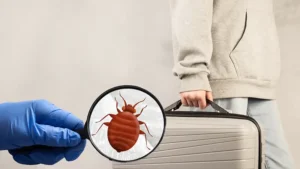
While many spring pests are visible, some infestations, like those from bed bugs, can be harder to detect and require specialized treatment. If you suspect a hidden pest problem, understanding the signs and seeking expert help is crucial. For comprehensive solutions, consider professional bed bug extermination services.
When DIY is insufficient, a professional inspection provides diagnosis and a path to suppression and prevention that DIY methods cannot reliably deliver. After discussing DIY limits, it’s helpful to present a vetted local option for homeowners who need assistance.
How Does Forest Pest Control’s Professional Spring Service Provide Long-Term Solutions?
Forest Pest Control offers professional spring pest services across Central Florida with an emphasis on Integrated Pest Management (IPM) principles, comprehensive coverage for a wide range of pests, and an expert staff that includes an Associate Certified Entomologist. Their approach focuses on inspection-driven diagnosis, targeted treatments that prioritize least-toxic options where feasible, and follow-up plans designed to reduce recurrence and protect home health and structure. Forest Pest Control positions itself as a local partner for homeowners who have tried DIY measures without lasting success, offering fast response times and services tailored to common regional pests such as ants, mosquitoes, cockroaches, rodents, and termites. Engaging a knowledgeable local provider can close the loop between homeowner prevention and professional long-term control.
How to Create a Comprehensive Spring Pest Control Checklist for Your Home?
A comprehensive spring pest-control checklist organizes tasks by priority, area, and frequency so homeowners can methodically reduce vulnerabilities and monitor efficacy over the season. Use the table below to guide targeted actions across exterior and interior zones, then schedule tasks as one-time spring projects, weekly checks, and monthly maintenance items. Include materials and estimated time per task so planning becomes manageable—most homes require a few hours for the initial spring sweep and shorter follow-ups thereafter. Document observations and photos to track changes year-to-year and share findings with a professional if escalation becomes necessary.
What Are the Essential Steps to Include in a Spring Home Pest Control Checklist?
Essential checklist items address the exterior envelope, yard, and interior sanitation and monitoring tasks in order of immediate impact: sealing, water management, yard cleanup, and indoor hygiene. Exterior steps include sealing gaps around foundations and utilities, clearing gutters, relocating or eliminating standing-water containers, and trimming vegetation away from structures. Interior steps cover pantry inspections, sealing food, cleaning behind appliances, repairing plumbing leaks, and placing monitoring traps in attics and basements. Prioritize high-impact items first—sealing and water removal—then schedule yard and routine interior maintenance. Keeping a log of completed items and any pest sightings helps identify recurring problems and guides future scheduling.
How Can You Monitor and Identify Early Signs of Pest Infestations in Spring?
Early monitoring combines visual inspections, simple traps, and record-keeping to catch infestations before they require major interventions. Look for droppings, chew marks, mud tubes, ant trails, shed skins, or unusual aggregations of insects near lights or windows; place glue boards or pheromone traps in basements, attics, and pantries to quantify activity. Check monitoring devices weekly during peak spring months and photograph any evidence to track changes; a rising trap count or fresh damage indicates escalation. Establish thresholds—such as repeated daily sightings, visible structural damage, or health-risk pests in numbers—that trigger a professional inspection. Monitoring provides the data needed to apply treatments intelligently and to demonstrate the effectiveness of your prevention plan.
Regular monitoring not only detects problems early but also informs which DIY interventions are working and which require professional attention. The next section answers common timing and safety questions for Central Florida homeowners.
How Early Should You Start Spring Pest Control in Florida?
Begin proactive spring pest control measures in late winter to early spring as temperatures consistently rise and before heavy seasonal rains, because many pests respond rapidly to early warming and moisture. Early actions include performing a full perimeter inspection, sealing obvious gaps, cleaning gutters, and scheduling an initial yard cleanup to remove overwintering shelter. Starting early prevents pests from establishing breeding populations and reduces the need for reactive chemical treatments when densities rise. If you prefer professional verification, schedule an inspection in early spring so targeted measures can be applied before peak activity.
Proactive timing increases the effectiveness of both DIY and professional measures by addressing vulnerabilities before pests exploit them, so early-season inspections pay off in lower overall pest pressure.
What Are Safe DIY Pest Control Products for Homes with Pets and Children?
Safe product choices prioritize physical controls, least-toxic larvicides like Bti for mosquito water features, and properly diluted essential-oil repellents while avoiding broad broadcast insecticide use near play areas or pet zones. Use food-grade diatomaceous earth in dry, out-of-reach crevices, tamper-resistant bait stations for ant control, and glue boards inside cabinets to monitor roach activity; always place traps where pets and children cannot access them. When selecting any product, read and follow label directions, store chemicals locked away, and ventilate treated areas. For larger infestations or when safety concerns are significant, consider consulting a professional who can recommend low-toxicity, pet-safe options compliant with label requirements.
Safe selection and correct placement of tools and products protect family members and pets while still allowing effective pest reduction.
How Can You Link DIY Pest Control Efforts to Professional Services for Best Results?
Linking homeowner DIY efforts to professional services maximizes the benefits of both approaches by using DIY to reduce immediate pressure and professionals to diagnose hidden sources and install long-term barriers. Mapping specific DIY tips to likely professional services helps homeowners request appropriate follow-up—sealing major structural gaps for exclusion specialists, intensified mosquito source reduction paired with yard treatments, or persistent ant problems paired with targeted baiting and colony elimination. For mosquito issues, source reduction by homeowners should be followed by a professional yard treatment or barrier service when breeding persists or public-health risk is present. For suspected termite activity or structural wood damage, homeowners should request a thorough termite inspection and a treatment plan that may include baiting or localized liquid treatments. Clear mapping saves time and ensures treatments address root causes rather than symptoms.
- Sealing large foundation or roof penetrations → professional exclusion and structural repair service.
- Recurrent indoor sightings despite baits → professional inspection and targeted treatment plan.
- Persistent mosquito breeding after source reduction → yard treatment focusing on larval and adult suppression.
This mapping helps homeowners communicate effectively with providers and ensures professional services complement, not duplicate, homeowner efforts.
How Does Integrated Pest Management Combine DIY and Professional Approaches?
Integrated Pest Management is a decision-making framework that prioritizes inspection, monitoring, thresholds, and the least-toxic controls while reserving more intensive measures for when thresholds are exceeded. Homeowners implement sanitation, exclusion, habitat modification, and monitoring while professionals offer diagnostic expertise, targeted treatments, and systemic solutions such as exclusion installations or termite systems. In an IPM workflow, monitoring data from homeowner traps informs professionals about hotspots, and follow-up visits measure whether the combined interventions reduce pest pressure below actionable thresholds. The benefit of IPM is sustainable, long-term control with reduced chemical reliance, improved safety for people and pets, and better alignment between homeowner behavior and professional treatments.
Adopting an IPM mindset makes seasonal pest management a collaborative, evidence-driven process that leverages homeowner diligence and professional skills together.
Integrated Pest Management for Mosquito Reduction in Florida Homes
Homeowners who take responsibility for identifying and eliminating sources of mosquito production around their homes and neighborhoods will improve health and quality of life for all Florida residents. Written by C. R. Connelly, E. Bolles, D. Culbert, J. DeValerio, M. Donahoe, K. Gabel, R. Jordi, J. McLaughlin, A. S. Neal, S. Scalera, E. Toro, and J. Walte
Integrated Pest Management for Mosquito Reduction around Homes and Neighborhoods: ENY-753/IN1045, 9/2014, CRR Connelly, 2014
For homeowners in Central Florida needing a local partner to implement professional IPM-based spring services, Forest Pest Control provides inspection-driven plans and targeted treatments delivered by trained technicians including access to an Associate Certified Entomologist for complex cases. Their service model is designed to work alongside homeowner prevention efforts, so DIY measures and professional interventions form a continuous program rather than disconnected actions.
- To prepare for a professional visit, gather records of sightings, trap counts, and a list of DIY steps already taken to accelerate diagnosis and treatment planning.
- Expect an inspection-based plan that addresses immediate suppression and long-term prevention aligned with IPM principles.
Forest Pest Control offers inspection and service coverage for homeowners across Central Florida counties and emphasizes IPM-guided solutions, fast response, and experienced staff; homeowners who prefer an expert assessment can request a professional inspection to confirm diagnoses and to receive a tailored plan.