Invasive pests aren’t just a household nuisance—they’re a real threat to the health of your family and your pets. From bacteria and parasites to bites, stings, and allergens, pests can spread illnesses and trigger harmful reactions far more easily than most homeowners realize. And because many pests thrive in hidden places—behind walls, under appliances, in attics, or inside pet areas—health risks can grow unnoticed until problems become severe.
Forest Pest Control is committed to helping families understand these dangers and take proactive steps to keep their homes safe. This guide explains the biggest health risks common pests pose and the best ways to protect the people and animals you care about most.
Why Invasive Pests Are a Serious Health Concern
Pests invade homes searching for food, moisture, and shelter—but while they’re settling in, they contaminate surfaces, spread pathogens, and create unsafe living conditions. Even minor pest activity can expose your family to:
-
Bacteria
-
Fecal matter
-
Parasites
-
Mold and allergens
-
Toxins
-
Bites and stings
Children, elderly adults, and pets are especially vulnerable due to their size, immune systems, and proximity to floors, carpets, and outdoor areas.
Understanding the risks helps you catch problems early and take the right steps toward prevention.
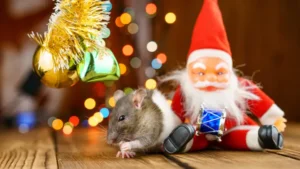
Rodents Spread Dangerous Bacteria and Cause Severe Allergies
Mice and rats are among the most hazardous household pests because they:
-
Contaminate food and surfaces
-
Spread bacteria through urine and droppings
-
Carry parasites like fleas and mites
-
Shed dander and allergens
Health Risks to Humans:
-
Salmonella
-
Leptospirosis
-
Hantavirus (primarily through droppings and urine)
-
Asthma flare-ups
-
Severe allergies
Health Risks to Pets:
Pets can contract diseases by sniffing or ingesting contaminated materials, including rodent droppings or nesting areas.
Forest Pest Control uses safe, targeted rodent removal techniques that eliminate infestations without putting children or pets at risk.
Cockroaches Trigger Asthma and Carry Harmful Bacteria
Cockroaches are one of the most dangerous pests in terms of health impact. Their saliva, feces, shed skin, and body parts contain potent allergens.
Health Risks to Humans:
-
Severe asthma attacks—especially in children
-
Food contamination
-
GI illnesses like salmonella, E. coli, and staph
-
Increased allergy symptoms
Health Risks to Pets:
-
Illness caused by ingesting cockroach droppings
-
Parasites carried on roach bodies
Cockroaches multiply quickly, making early detection and professional removal essential.
Ticks and Fleas Expose Pets and Family Members to Disease
Ticks and fleas thrive in warm climates, on pets, in carpets, and anywhere with fabric or moisture. Both pests carry pathogens that spread easily to humans and animals.
Flea-Related Risks:
-
Flea allergy dermatitis
-
Tapeworm transmission
-
Secondary skin infections from scratching
Tick-Related Risks:
-
Lyme disease
-
Ehrlichiosis
-
Rocky Mountain spotted fever
-
Anaplasmosis
These illnesses can cause long-term health issues if not treated promptly.
Forest Pest Control provides integrated pest management that protects both indoor and outdoor spaces from tick and flea populations.
Mosquitoes Spread Harmful Viruses
Mosquitoes are more than annoying—they are one of the world’s most dangerous disease carriers.
Health Risks to Humans:
-
West Nile virus
-
Dengue
-
Zika virus
-
Encephalitis
Health Risks to Pets:
-
Heartworm, which is often fatal without treatment
Because mosquitoes breed in standing water, yards with high humidity, pools, puddles, and outdoor containers are especially vulnerable.
Spiders Can Deliver Painful and Dangerous Bites
Most spider bites are harmless, but some species pose serious risks.
Dangerous Spiders in Certain Regions:
-
Brown recluse
-
Black widow
Potential Health Effects:
-
Fever
-
Skin necrosis
-
Severe pain
-
Muscle spasms
-
Systemic reactions in vulnerable individuals
Pets may accidentally disturb spiders in garages, basements, or storage areas, resulting in bites.
Ants Contaminate Food and Can Trigger Allergic Reactions
Certain ants cause more harm than people realize.
Carpenter Ants:
-
Damage wood structures, creating safety hazards
Fire Ants:
-
Deliver painful stings
-
Cause serious allergic reactions
-
Risk to pets, especially if they disturb a mound
Pharaoh Ants:
-
Spread bacteria in kitchens and medical environments
-
Attracted to wounds and medical waste
Ant invasions can quickly grow out of control without targeted treatment.
Termites Compromise Structural Safety, Leading to Injury Risks
While termites do not transmit diseases, the structural damage they cause can become a major safety hazard.
Termite damage can lead to:
-
Weak floors that collapse
-
Unsafe staircases
-
Damaged walls and ceilings
-
Compromised support beams
Children and pets are at higher risk of injury due to falling through weakened structures or touching fragile areas.
Stinging Insects Create Severe Allergic Risks
Bees, hornets, and wasps often build nests near entryways, roofs, porches, and sheds. Their stings are painful, but for allergic individuals, they can be life-threatening.
Risks Include:
-
Anaphylaxis
-
Swelling and breathing difficulty
-
Pain and infection
-
Multiple stings in aggressive swarms
Pets may disturb nests accidentally, resulting in dangerous stings.
Mold and Moisture-Loving Pests Harm Indoor Air Quality
Some pests contribute to mold growth or thrive in moldy environments.
Examples:
-
Silverfish
-
Centipedes
-
Moisture ants
Mold exposure causes:
-
Respiratory issues
-
Allergies
-
Headaches
-
Serious health complications for those with asthma
Pest control paired with moisture control protects your home’s indoor environment.
How to Protect Your Family and Pets From Pest-Related Health Risks
1. Prioritize Regular Professional Pest Inspections
Experts identify early signs of infestation you might miss.
2. Seal Entry Points Around the Home
Gaps around windows, doors, vents, and foundations draw pests inside.
3. Keep Kitchens and Pet Areas Clean
Food residue is the top attractor for pests.
4. Manage Moisture
Fix leaks, use dehumidifiers, and clean standing water areas.
5. Maintain Your Yard
Trim vegetation, remove clutter, and reduce pest habitats.
6. Use Safe, Targeted Pest Control Treatments
Avoid DIY chemicals that may be toxic to pets or children.
Forest Pest Control specializes in family-safe, eco-conscious solutions that eliminate pests while protecting your home’s health.
Final Thoughts
Invasive pests are more than a household nuisance—they are a serious threat to your family’s and pets’ health. From disease-carrying rodents and mosquitoes to allergen-producing cockroaches and fleas, every pest introduces risks you may never see until symptoms appear.
Understanding these dangers is the first step toward protecting the people and animals you love. Professional pest control provides targeted solutions that safeguard your home, reduce health hazards, and prevent pests from returning.
For year-round protection and peace of mind, contact Forest Pest Control today to schedule a home inspection and get a customized pest-prevention plan.