
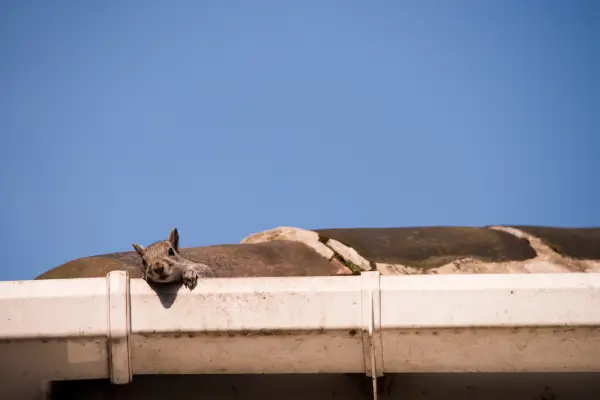
If you’ve lived in your home for a while, you’ve gotten used to its sights, sounds, and smells. You know what belongs there and what doesn’t, so when something out of the ordinary catches your attention — say, scratching sounds above the ceiling or a sudden musty odor in the hallway — pay attention. They could be warning signs of wildlife in your home. Investigate early, confirm what’s happening, and if necessary, call a professional wildlife handler to solve the problem. By following those steps, you can stop a minor intrusion before it snowballs into chewed wires, ruined insulation, and costly repairs.
Below are the most common signs of wildlife inside a Central Florida home. If you notice any of these signs, you should consider the possibility that you’re dealing with nuisance wildlife in your home.
- Unusual Noises
- Unpleasant Odors and Musty Smells
- Droppings or Nesting Materials
- Grease Marks
- Holes or Gaps
- Bite or Gnaw Marks
- Unusual Pet Behavior
- Increased Allergies or Illness Symptoms
How Do You Know If You Have Wildlife in Your Home?
Every squeak, streak, and strange smell tells a story. Let’s break down each clue so you can decide whether it’s a harmless one-time quirk, or a sign you’ve got company that belongs outdoors.
Hearing Unusual Noises in Your Home?
Wildlife loves the spaces you rarely visit: wall voids, crawl spaces, and attics. There, they scurry, scratch, and gnaw. If the racket dies down at dawn and ramps up again after dark, the wildlife is likely nocturnal, which likely means mice, rats, squirrels, raccoons, or even chipmunks. Severe termite infestations can produce a faint clicking, but you’d need a truly massive colony to hear it.
What’s That Smell? Another Sign of Nuisance Wildlife
Urine and droppings create a pungent, ammonia-like musk that seeps into insulation and sheetrock. Add the earthy odor of damp nesting material and you have a recipe for an unmistakable stench. Foul smells that intensify over time often point to an active infestation, and the longer animals stay, the more daunting the cleanup.
Don’t Touch Droppings or Nesting Materials
Rodent and wildlife waste can transmit hantavirus, salmonella, leptospirosis, and parasitic eggs that become airborne when disturbed. If you stumble upon droppings or shredded insulation, resist the urge to sweep them up. Wear gloves, a respirator, and eye protection, and disinfect with an EPA-registered cleaner — or let a professional bio-cleanup crew handle it safely.
What Are Grease Marks?
Those long, dark smudges racing along baseboards or joists aren’t just dirt; they’re grease tracks left by oily fur brushing the same route day after day. They’re a classic sign of an established rat or mouse runway and often lead straight to nesting sites.
Do Holes, Gaps, Bites, or Gnaw Marks Indicate Wildlife?
Rodents’ teeth never stop growing, so they keep them trimmed by chewing — on everything. Jagged holes in drywall, gnawed electrical wiring, or chewed PVC pipes are big clues. Besides tooth maintenance, animals enlarge gaps to create new exits or better access to food and water.
Sometimes, Your Pets’ Behavior Is the First Sign
Cats staring at ceiling vents? Dogs barking at a blank wall? Pets detect unfamiliar scents and subtle noises long before human senses register them. Sudden anxiety or obsessive sniffing around one part of the house can clue you in on an infestation.
Feel Sick? It Could Be a Reaction to Wildlife
New allergens — dander, fur proteins, fleas, mites — can trigger coughs, sneezes, skin rashes, or headaches. If everyone in the house seems stuffy or itchy with no obvious cause, consider that hidden wildlife might be the culprit behind your mysterious “cold.”
What to Do About Wildlife in Your Walls
“What’s making noise in my walls?” It could be any number of things. Wall voids appeal to mice, rats, squirrels, raccoons, opossums, bats, and sometimes birds. The reason why is simple. They offer warmth, safety, and a quick path to the kitchen.
Isolate the room, shut off HVAC returns to reduce contamination, and call a licensed wildlife technician.
Can You Remove Wildlife from Your Walls Yourself?
It’s really not worth it. Wildlife extraction from walls is tricky. Cutting into drywall blindly can trap or injure animals, slice wiring, or expose plumbing. Often, babies get missed, and wildlife gets driven deeper into the structure.
Professional wildlife controllers use specialized equipment and listening devices to pinpoint nests, install one-way exit valves so animals leave but can’t return, and then seal every gap with chew-resistant materials.
What to Do About Animals in Your Attic
Florida attics are hot, dry, and quiet — perfect for roof rats, squirrels, raccoons, bats, and even snakes chasing rodents. If you discover wildlife in your attic, there are several risks, including chewed wiring sparking fires, saturated insulation losing its R-value, and growing mold.
For best results, you should call a wildlife control specialist to perform an inspection. If wildlife is discovered, we’ll install live traps, one-way doors, and any other removal and exclusion tools to solve the problem.
What to Do About Wildlife in Your Yard
Your yard is the first line of defense. If wildlife is in your yard, it raises the risk significantly that wildlife will get into your home. Therefore, the sooner you identify outdoor activity, the less likely animals are to breach your walls.
Signs of Wildlife in the Yard
- Overturned trash cans or shredded bags (raccoons, opossums)
- Burrows at the foundation or along walkways (rats, rabbits)
- Bark stripped from trees or gnaw marks on fruit (squirrels, deer)
- Small paw prints or tail drags in mulch after rain
- Pets fixating on one spot of the fence line
How to Eliminate Nuisance Wildlife in Your Yard
- Eliminate attractants: secure garbage, bring pet food indoors, fix leaky spigots.
- Clear hiding places: trim vegetation, remove brush piles, clean gutters.
- Install deterrents: motion-activated lights, fencing, or scent repellents.
- If damage or sightings persist: call a professional to set humane traps and implement exclusion barriers.
Call Central Florida’s Trusted Wildlife Control Team
Strange sounds at night? Mystery odors in the hallway? Don’t wait for chewed wires, ruined insulation, or an emergency room visit to confirm you have wildlife inside. Our licensed wildlife control technicians provide prompt inspections, humane removal, and full exclusion so the problem stays gone.
Hear something? Smell something? Call Forest Pest Control today or fill out our form, and we’ll get back to you ASAP. We’ll reclaim your space — safely, quickly, and for good.
Back to Nuisance Wildlife Management